
Here I go again, teaching you things that other veterinarians do not tell you, or maybe do not want you to know.
What if I told you there is a way to markedly improve your pet's health and medical conditions right at your fingertips. It does not involve trips to the doctor, or additional expenses, or drugs or medication of any kind.
What if getting back in touch with nature, the way our pets' ancestors did, is the key to vastly improved health. Things like sunshine, fresh air, rain, ponds with frogs and critters in them, exposure to dust and dirt and insects. Spurts of really exhaustive exercise before feeding time, like when they have to run hard to catch prey. And then periods of very hard, uninterrupted sleep in pitch darkness, not contaminated by TV noise or flashing screens.
This is not a subject most veterinarians discuss. Who knows why. Maybe they just have not bothered thinking about it, or maybe they cannot think of a way to turn it into a profitable service. But fear not. I have been known to tread where few others dare to go.
In their true natural habitat, wild dogs like wolves and wild cats like bobcats or lions spend their waking energy hunting for food. When they catch something like a rabbit or a small antelope, no butcher with a sharp knife shows up to fillet out the juicy steaks. I often hear that an owner only buys the most exclusive organic chicken for their pet, as if that alone makes it healthy.
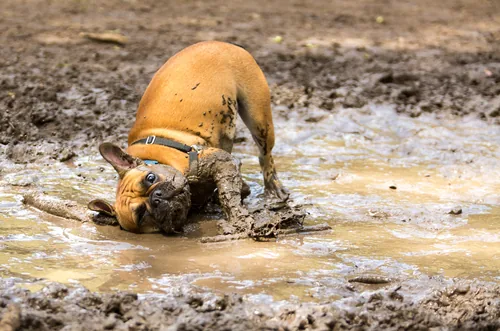
Yes, wild prey is hopefully less contaminated with hormones and antibiotics. But our subject now has to devour it out there on the mud and ground, somewhere in the bushes. They chew through skin that has hair and dirt and pollen on it. Then, as they chew through the abdominal wall and the organs fall out onto the dirt, it mixes with sand and grass and pieces of rotten leaves and bark and insect carcasses. You get the picture.
My theory is that this is a good thing.
Modern processed pet food is sterilized at extremely high temperatures. That kills bad bacteria, sure, but also millions of beneficial microbes. Then it is extruded into a paste that can be made into kibble or canned food. There is none of the natural material that wild animals eat every day, and they are proud of it, not knowing how beneficial that foreign material is.
I believe we have a terrible epidemic of horrible allergic diseases, outbreaks of autoimmune disease and hypersensitive immune systems everywhere. All because immunity is not challenged daily by millions of little natural exposures to bacteria, viruses, fungi and yeast. That is nature's own vaccination plan, and it tones down the hyperimmune responses we call allergies.
So look the other way for an hour or two if your dog rolls on something unspeakable, or retrieves a stinky tennis ball from the trash heap. Do not tell anybody I said that.
There is a whole discipline in human medicine based on a theory called the hygiene hypothesis: early childhood exposure to particular microorganisms, such as gut flora and helminth parasites, protects against allergies by properly tuning the immune system. A lack of such exposure is thought to lead to poor immune tolerance.
Three cheers for dirt.
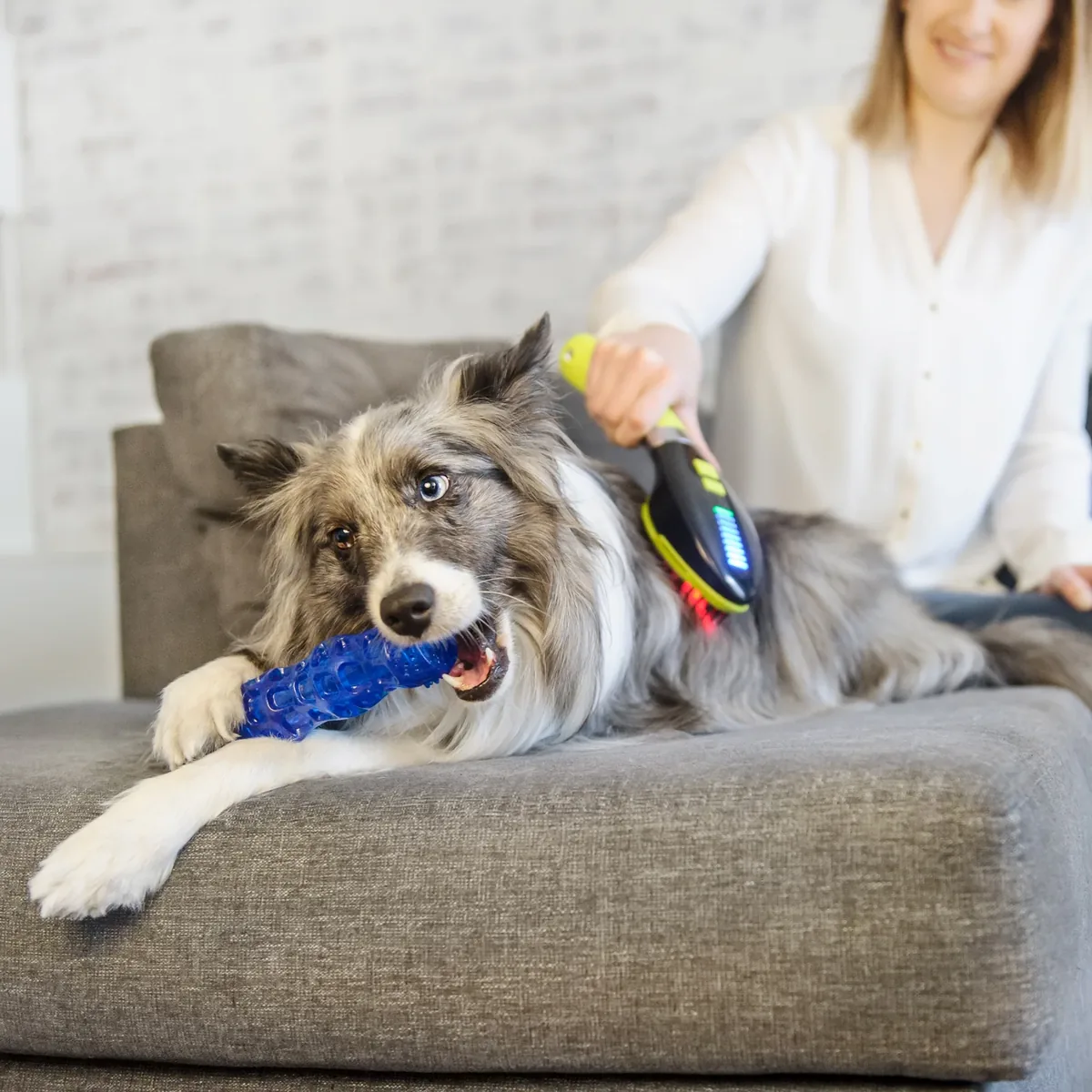
Dr. Nelmapius explains how veterinary LASER therapy and LASER surgery work, in plain English.
Read it →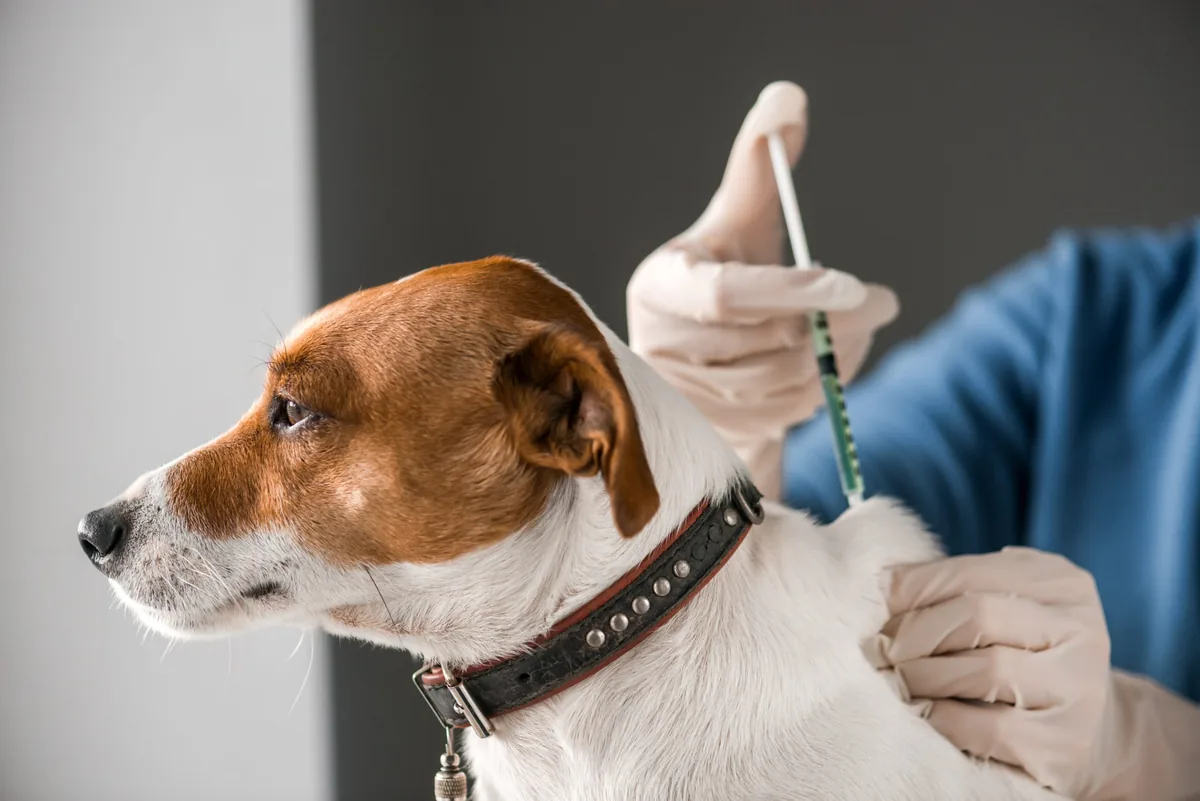
Why we titer test before vaccinating, where we draw the line, and why rabies is a completely different conversation.
Read it →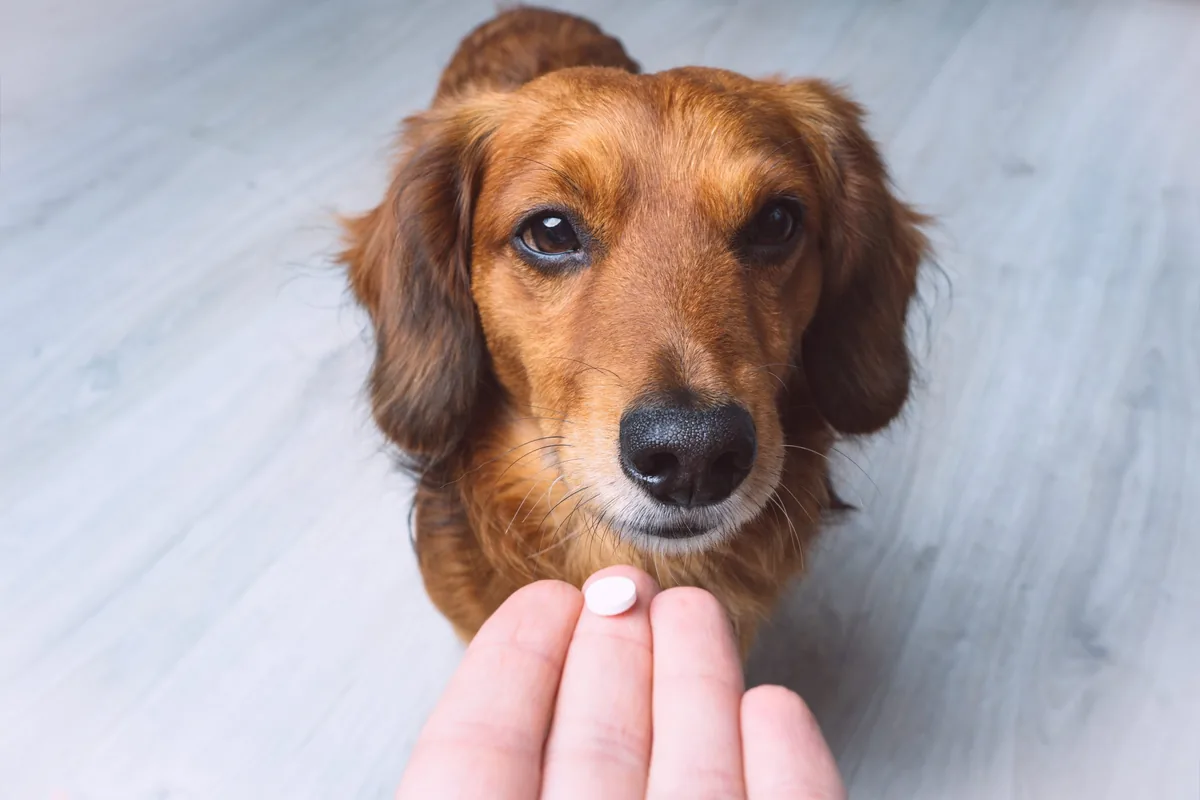
Why over the counter antihistamines rarely help an itchy pet in Florida, and what we use instead.
Read it →Every pet is different. Book a visit and we will talk it through.